





Voices from Year 12: What We Learned at Auschwitz
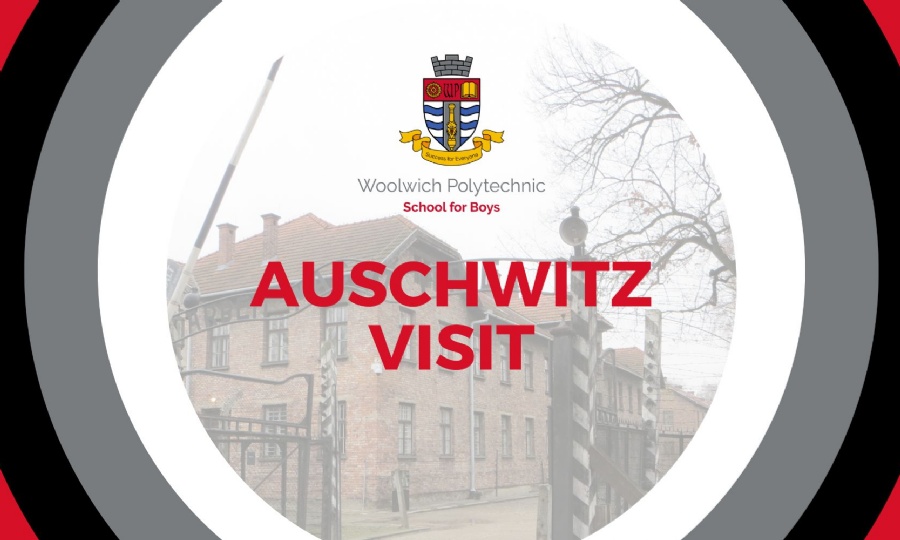
Students experienced a profoundly moving and challenging day as they visited Auschwitz on Wednesday 4 February 2026. In temperatures that never rose above 1°C - and at times dropped below freezing - they walked through the site with quiet dignity, taking in the scale and gravity of what happened there.
Sanad and Dylan each read extracts from survivors’ testimonies, sharing accounts of life under the command of Rudolf Höss, the camp’s Commandant. Later in the day, Sanad took part in the evening commemoration ceremony, standing beside Crematorium II as he honoured the memory of those who were murdered there.
Throughout the visit, the students engaged in thoughtful conversations with the Rabbi who travelled with the group. He spoke about the rise in antisemitism across the world today and shared his own family’s history, including the loss of relatives during the persecutions in Germany and Ukraine.
Year 12 student Tomilola reflected on the experience:
“Walking through Auschwitz, I felt a heavy silence that words don’t quite capture. Seeing the barracks, the barbed wire, and the piles of personal belongings made the reality of what happened there painfully real. It wasn’t history in a book anymore — it was human lives, interrupted and destroyed. I left feeling overwhelmed with sadness and reflection. I believe it’s important to preserve the memory of places like Auschwitz because forgetting makes it easier to repeat the same hatred and cruelty. Remembering honours the victims and reminds us of our responsibility to challenge intolerance, protect human dignity, and ensure that what happened there never happens again.”
Year 12 student Dylan also shared his thoughts, centring his reflection on the theme of hope:
“Hope. The idea that kept them from condemnation. My experience in Auschwitz revealed to me that despite all the troubles that we as humans go through, hope is the thing that keeps us who we are. I was truly humbled to walk through the concentration camps as it exposed to me the hardships they faced. The atmosphere was quiet and sombre, allowing me to be really tuned into my surroundings. Despite this, I was somewhat emotionless - I did not know how to feel. All I knew was that I had a purpose: to learn a lesson from this memorable trip and try to share my experiences with others. To be able to view such a place of modern history was truly an unforgettable moment that will stay with me for my whole life. Hope is the word that really stood out to me, and I wish more people truly understood its meaning. At Auschwitz, hope was not loud or confident; it was small, stubborn, and persistent - living in whispered prayers, secret kindness, and the will to see another day.”
Year 12 student Arjan offered a deeply personal reflection on the emotional impact of the visit:
“My experience of Auschwitz was a deeply moving experience that had a lasting impact on my understanding of history and humanity. Walking through the site and listening to the tour guide’s explanations allowed me to comprehend the scale and seriousness of the atrocities that took place here over 80 years ago, far beyond what textbooks can convey. The preserved surroundings and personal artefacts belonging to once innocent individuals who were persecuted and murdered simply for having a Jewish identity reinforced the importance of remembering the victims of the Holocaust. Visualising certain points - such as seeing the camp blocks and the so‑called ‘homes’ shaped like barns - made it so hard to imagine how people lived in such inhumane conditions. Scenes formed in my mind, and I tried to imagine myself as a victim of the Holocaust. It was unbearable. My in‑person experience of the concentration camp helped me appreciate the value of tolerance, respect, and humanity. The eerie atmosphere of Auschwitz made me realise how essential it is to learn from the past in order to shape a more peaceful future for people across the world. My trip to Auschwitz made me realise how grateful we should be now - how we don’t face the trauma and horrific experiences that people our age, younger and older, once went through. Auschwitz was a powerful reminder of the importance of remembrance and education, reinforcing the values of respect, responsibility, and a commitment to learning from tragic historical events to help build a more tolerant society.”
Students will now begin work on their Legacy Projects and, upon completion, will become Holocaust Educational Trust Ambassadors - continuing the vital work of remembrance and education.
Throughout the entire visit, they were an absolute credit to the school. Educators from the Trust commented on their maturity, compassion, and conduct, noting what a pleasure they were to accompany.
A powerful snapshot from our students’ visit to Auschwitz on Wednesday 4th February 2026.